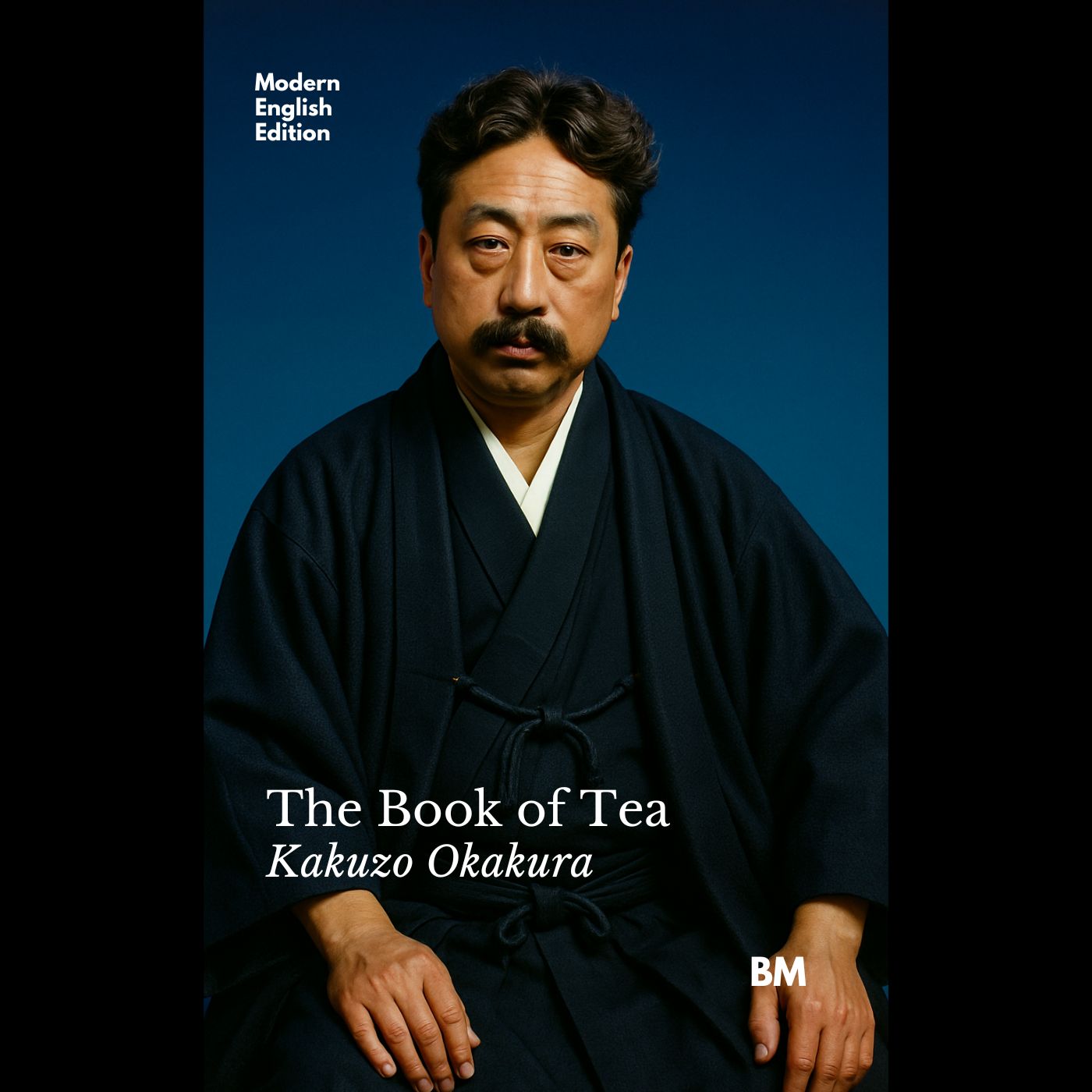
The Book of Tea
The Book of Tea
Couldn't load pickup availability
The Book of Tea is a brief but influential essay on the cultural meaning of tea in Japan and the wider East Asian world. Kakuzo Okakura uses the tea ceremony as a lens for discussing simplicity, restraint, harmony, and the relationship between beauty and daily life. Rather than offering a practical guide to tea, the book presents a reflective argument about art, philosophy, Zen influence, architecture, and taste, while also responding to Western misunderstandings of Asian culture. Its style is elegant, concise, and often aphoristic, combining cultural criticism with lyrical observation.
This edition presents the work in clear modern language while preserving the substance, structure, and force of the original. Readers encounter not just a classic on tea, but a distinctive meditation on civilization itself—one that reveals how ritual can shape character and how aesthetic values can express a whole worldview. The book remains unusual among cultural classics for the way it connects a domestic practice to questions of beauty, spirituality, and modernity.
Why it still matters
The Book of Tea remains relevant for readers interested in mindfulness, slow living, design, hospitality, and the cultural meanings of everyday rituals. Its reflections on simplicity, attention, and the value of form over excess speak to modern conversations about minimalism and intentional living, while its cross-cultural perspective still offers a useful example of how traditions can be interpreted respectfully and creatively.
What makes this edition distinctive
A compact but influential meditation on tea, beauty, and culture from a Japanese writer addressing Western readers.
Who this is for
Readers who appreciate reflective classics, Asian cultural history, and elegant prose will find this book especially rewarding. It is also likely to resonate with anyone interested in the aesthetics of simplicity, the meaning of ritual, or the way a small daily practice can illuminate larger ideas about art and civilization.
Historical context
Published in 1906, The Book of Tea emerged during a period of intense cultural exchange between Japan, Europe, and the United States. Okakura wrote in English to explain the significance of tea culture and Japanese aesthetics to Western readers, helping frame tea as both a social practice and a symbol of a broader artistic tradition.